How a Pie Shop Creates Perfect Pies Every Day
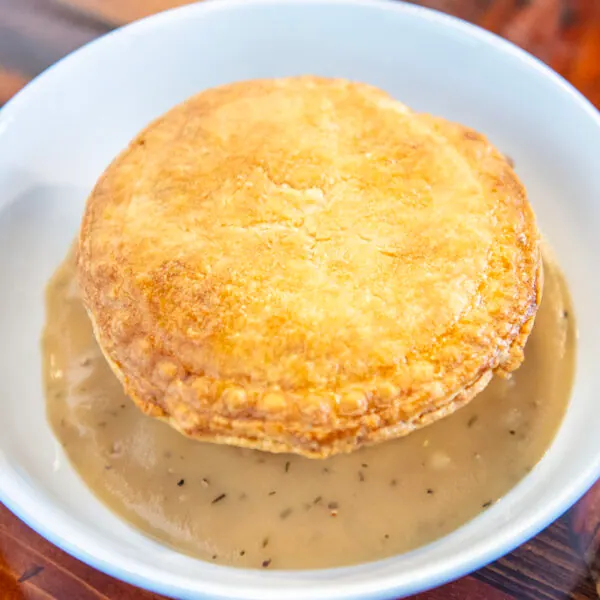


Walk into a good pie shop just after dawn and the place already tells you what matters. Butter is cold. Flour is weighed, not guessed. Someone is rolling dough with the calm speed that comes from doing the same motion thousands of times without getting careless. Another baker is checking fruit that came in the day before, rejecting soft berries, trimming bruised apples, and tasting the batch because sweetness shifts from week to week. Nothing about the room feels accidental.
That is usually the surprise for customers. Pie seems homey, forgiving, almost rustic. It looks simple enough that people assume consistency must come naturally. In practice, making excellent pies every day is one of the harder disciplines in a bakery. Bread gives you fermentation to build flavor. Cake gives you icing and fillings that can hide small flaws. Pie leaves nowhere to hide. If the crust shrinks, leaks butter, turns tough, or bakes pale, everyone sees it. If the filling is too loose, too sweet, too tart, or under-seasoned, the first slice exposes it.
A reliable pie shop does not reach consistency by chasing perfection in the abstract. It gets there by controlling small variables that compound. Temperature, timing, ingredient quality, bench flour, resting periods, oven load, pan choice, cooling time, even the angle of a crimp all affect the final product. The shops that get it right every day are not simply staffed by talented bakers. They are run by people who understand systems, judgment, and restraint.
Perfect pie starts long before baking
The public sees the display case. The work starts much earlier, often the previous afternoon. Fruit pies especially demand planning because produce behaves differently every week of the year. An apple that held beautifully in October may start releasing more liquid by January. Blueberries from one supplier can bake jammy and concentrated, while another lot turns watery in the oven. A pie shop that values consistency cannot write one recipe and trust it blindly for months.
That is why experienced bakers taste constantly and adjust carefully. They might hold sugar in a narrow range instead of a fixed number. They might increase starch slightly on humid days or when stone fruit arrives particularly ripe. They may macerate fruit for a shorter time when berries are fragile, or longer when apples need help drawing out juice before thickening. These are not dramatic changes. They are the sort of small corrections that separate a pie that slices cleanly from one that puddles across the plate.
Preparation also includes staging the space. Dough needs refrigeration time. Fillings often need to cool before they can be enclosed. Egg wash has to be strained if the shop wants an even finish. Pans, parchment, labels, and racks all need to be where bakers can reach them without breaking flow. In a busy pie shop, wasted motion has a cost. It slows production, warms dough, and invites mistakes.
Good shops think in production windows rather than single recipes. If cream pies are made in the morning, they need cold storage space and enough time to set before service. If fruit pies go into the oven first, savory pies may have to wait for an oven temperature adjustment. If the shop expects a lunch rush, quiches and hand pies need to be cooled enough to slice and reheat cleanly. Daily perfection is not only about making one ideal pie. It is about sequencing dozens of pies so each one reaches the case at its best.
The crust is a technical exercise disguised as comfort food
Ask most bakers where pie quality is won or lost and many will point to the crust. Customers describe good crust in simple language. Flaky. Tender. Buttery. Crisp on the bottom. Easy to cut, not tough or greasy. Achieving all of that at once is not simple.
The first challenge is fat management. Butter gives excellent flavor, but it also melts quickly. Shortening is more forgiving, but many shops prefer the taste and mouthfeel of butter-forward dough. Some use a blend to balance flavor and workability. There is no universal right answer. What matters is understanding the trade-off. A shop that insists on all butter has to compensate with colder handling, tighter timing, and often more resting time. Otherwise the dough gets smeared instead of laminated in small pockets, and flake disappears.
Water matters too, more than many customers realize. Too little and the dough stays crumbly, which leads bakers to overwork it on the bench. Too much and gluten develops too easily, which makes the crust tough. The target is a narrow band where the dough barely holds together, then improves during resting as flour hydrates fully in the cooler. That last part is important. Many crust problems do not come from mixing. They come from impatience. Dough that has not rested enough resists rolling, springs back in the pan, and shrinks in the oven.
A disciplined pie shop builds rest into the schedule. Dough is mixed just until cohesive. It is divided quickly, pressed into disks, wrapped, and chilled long enough for the gluten to relax and the fat to firm. After rolling and lining pans, many bakers rest the formed shells again. That second chill helps the dough hold shape and reduces slump when it hits the oven. It also keeps decorative tops sharp, which matters more than people think. Customers read quality with their eyes before the first bite.
Thickness is another place where consistency is hard-earned. Home bakers often roll by feel, which works fine in small batches. A pie shop needs repeatability. Shells that are too thin tear during assembly and burn at the edges. Too thick and the crust bakes heavy and underdone. Experienced staff develop feel, but smart operations still create controls. They may use guide rings on rolling pins, count passes with the sheeter if they use one, or train bakers against a physical sample. The goal is not robotic uniformity. The goal is enough consistency that baking time, pan fill, and final texture remain predictable.
Fillings are where judgment earns its pay
Crust technique can be trained with repetition. Filling work requires judgment that is harder to standardize because ingredients keep changing. This is especially true in fruit pies, where sweetness, water content, and acidity can swing from lot to lot.
Take apple pie. Even when a shop buys the same variety year-round, storage changes the fruit. Early in the season apples tend to be firmer and brighter. Months later they may release moisture differently and taste less vivid. A good pie shop responds in several ways. It blends varieties when possible, choosing one for structure and another for aroma. It seasons with salt, not enough to register as salty but enough to sharpen flavor. It uses acid deliberately, often lemon juice or cider vinegar, to keep sweetness from going flat. It may pre-cook part of the filling or macerate and drain it, depending on the texture target.
Berry pies create the opposite challenge. Their best quality is freshness, yet fresh berries break down quickly. Overhandle them and the filling becomes muddy. Under-thicken them and the pie bleeds across the plate. Frozen fruit can be a better choice than mediocre fresh fruit, especially out of season, but then the shop has to manage extra water and a slightly different set of aromas. There is no shame in that decision. In fact, it often shows better judgment than insisting on weak produce for the sake of a menu claim.
Custard pies have their own hazards. Egg sets within a narrow temperature range. Overbake a custard pie by even a few minutes and the filling can curdle, crack, or weep. Underbake it and the center never stabilizes. Here the pie shop relies on sight, gentle movement, and experience with carryover heat. The center should wobble softly, not slosh. A baker who waits for the middle to look fully firm in the oven is usually already too late.
Cream pies demand a different kind of discipline because assembly continues after baking. Pastry cream has to be cooked thoroughly enough to hold, cooled quickly enough to remain safe and smooth, then portioned into shells that are fully cooled and crisp. If whipped cream is piped too early, it loses shape in the case. If fruit garnish sits too long on top, it weeps. Daily excellence here has less to do with one secret recipe than with timing every stage so texture survives until the customer takes the first bite.
Ovens reward discipline and expose shortcuts
A pie shop oven is brutally honest. It exposes weak crust, sloppy loading, and inconsistent scaling within minutes. It also behaves differently depending on what else is inside it. This is why bakers who know their ovens are worth their weight in https://trentonalje072.lumenforgex.com/posts/exploring-the-most-popular-items-at-a-pie-shop butter.
Deck ovens, convection ovens, rotating rack ovens, and combination setups all have strengths and quirks. A fruit pie that browns beautifully in one oven may need shielding or a different bake profile in another. Hot spots matter. Steam matters less than it does for bread, but humidity in the room and oven recovery between loads still affect crust color and texture. Shops that create perfect pies every day keep records, even if informally. They know where the darkest corner sits, how long the oven takes to recover after loading six pies at once, and which products need staggered rotation.
Bottom heat is especially important. The sad truth of many average pies is that the top looks handsome while the bottom crust stays pale and leathery. Some shops solve that with metal pans, others with stone decks, dark finishes, preheated sheet trays, or a two-stage bake. What they do not do is trust the upper crust color alone. A pie can look done and still have an underbaked base.
Ventilation in the top crust is one of those details customers barely notice unless it goes wrong. Too few vents and steam pressure can burst a seam, creating leaks that burn onto the pan and throw off appearance. Too many or too large, and juices boil off aggressively, concentrating sugar and risking a filling that becomes gluey rather than lush. Decorative lattice has practical value here, but it also demands precise assembly. If strips are too warm or stretched, the top can contract in odd ways during the bake.
Then there is the matter of doneness. A fruit pie is not ready the moment the crust turns golden. The filling has to bubble enough to activate the starch and thicken properly. This is one of the hardest points to teach because bakers fear overcoloring the crust. The answer is usually not underbaking. It is managing color separately, with foil guards, a lower rack position, or a slightly adjusted temperature curve. A pie shop that turns out clean slices day after day has learned this lesson.
Repetition only helps if the system is built well
People often imagine artisanal food as the opposite of systems. In a working pie shop, the opposite is true. Systems protect quality. They do not replace skill, but they keep skill from being wasted.
Recipes are written in grams, not cups. Scaling happens with calibrated digital scales. Fill weights are standardized so bake times stay stable and margins remain healthy. Finished crust diameter is checked. Cooling racks are assigned. Labels include production date and sometimes even batch identifiers for fillings if the shop needs traceability. These practices can sound fussy until you have seen what happens without them. One baker scoops a heavy shell, another goes light, a third packs apples more tightly, and suddenly five pies from the same recipe need different bake times and produce different slices.
There is also the issue of training. Many talented bakers can make one beautiful pie. Far fewer can teach others to make that pie under time pressure with the same result. The best shops train through demonstration, repetition, and corrective feedback that is specific. Not "make it neater," but "keep the dough one-eighth inch thick and stop stretching it into the pan." Not "watch the filling," but "pull the peach pies only after you see steady bubbling at the center vents for at least a minute."
That kind of language matters because pie making sits at the border between measurable process and tactile craft. A new baker needs both. They need to know the target weight of the dough disk and also what properly mixed dough sounds like against the bowl. They need to know the exact starch ratio and also how ripe cherries change the feel of the filling in the scoop. Shops that ignore one side of that equation struggle. Either they become rigid and lifeless, or they drift into charming inconsistency.
The cooling rack is part of the bake
One of the easiest mistakes in pie production is treating the pie as finished when it comes out of the oven. For many styles, that is only the end of the bake, not the end of the process.
Fruit pies continue to set as they cool. Slice them too early and even a properly thickened filling may run. Let them cool in a stagnant area with poor airflow and the bottom crust can soften from trapped steam. Stack pies too close together and condensed moisture works against all that careful baking. Cream and custard pies face different risks, but the principle is the same. The transition from hot to warm to chilled has to be managed, not left to chance.
A professional pie shop thinks about cooling as actively as it thinks about mixing. Racks are spaced. Room temperature is monitored, especially in warm months. Products that need refrigeration go in only after they have dropped enough temperature not to steam themselves into sogginess or compromise the cooler. Slices displayed later in the day may be cut from pies that were baked early enough to stabilize fully, not from whatever finished most recently.
This is also where patience shows up as a business decision. Fresh from the oven is romantic, but not always ideal. Some pies eat better several hours later, when starches have set and flavors have leveled out. A shop that understands this resists selling a pie too soon just because it smells wonderful. That restraint protects reputation.
Consistency depends on people, not just recipes
The public tends to romanticize the owner or head baker, but everyday excellence in a pie shop is usually a team achievement. The person receiving fruit, the prep baker mixing dough, the line baker loading ovens, and the front-of-house staff boxing slices all affect the final experience.
Culture matters more than many operators expect. When a team feels rushed in the wrong way, quality slips first in small, almost invisible ways. Dough sits out too long. Crimps get shallow. Fillings are portioned by eye instead of by scale. A pie is boxed before it has cooled enough because someone wants to clear rack space. None of those errors seems dramatic on its own. Together they create the kind of inconsistency customers notice even if they cannot name it.
The strongest teams share a language for quality. They know what "too warm" looks like in dough, what "properly set" means for lemon curd, what shade of gold signals a fully baked all-butter crust. They also know when to stop the line and correct a problem. If a batch of peaches arrives watery, someone must have the authority to adjust the formula or pull the item temporarily. That is not failure. It is professionalism.
Retention plays a role too. Pie is detail-heavy work. Shops with constant turnover often struggle because each new person needs time to develop touch. A stable staff accumulates practical knowledge that never makes it into a written recipe. Which supplier's strawberries run pale after rain. Which pan stack warps first. Which oven shelf colors fastest on humid afternoons. Those observations are the quiet infrastructure of consistency.
Seasons change the menu, but standards stay put
A well-run pie shop does not fight the calendar. It uses it. Seasonal rotation is not only good marketing, it is a quality strategy. Forcing mediocre ingredients into pies year-round usually leads to disappointment. Better to build a menu that adapts while protecting standards.
Summer may favor stone fruit, berries, tomato pies, and lighter cream styles. Fall leans into apples, pears, squash, pecan, and richer spice profiles. Winter can support citrus custards, chocolate cream, sturdy nut pies, and savory options that hold well. Spring often brings rhubarb, early strawberries, greens, and fresh herbs. The specific menu varies by region, but the principle is stable: let ingredients do the heavy lifting when they are naturally strong.
That does not mean a pie shop must reinvent itself every month. Too much menu churn can strain operations and confuse regulars. The sweet spot is a core lineup supported by seasonal specials. That gives the kitchen enough repetition to maintain standards while still making room for ingredients at their peak.
Seasonality also affects demand. Holiday weeks can multiply production volume several times over. A shop that feels perfectly smooth in March can fall apart before Thanksgiving if it has not planned labor, storage, and preorders properly. The pie shops that survive those periods with their standards intact do so by narrowing offerings intelligently, batching components in advance, and protecting their process from last-minute chaos.
Small details customers rarely notice, but always feel
Some of the most important choices in pie making are invisible to the customer, at least consciously. Salt level in the crust. The exact grind of spice. Whether vanilla is added early or late. Whether sugar sits on top long enough to draw moisture before baking. Whether egg wash reaches the edge of a crimp and glues it down too firmly. These details shape the eating experience in ways people register as balance, polish, or care.
Packaging matters too. Box a warm pie in a tight container and trapped steam softens the crust. Use a flimsy box and decorative toppings get damaged in transit. Sell slices on plates that are too small and the presentation feels cramped. None of this sounds glamorous, yet it affects how the pie is received.
Portioning is another subtle choice. Oversized slices can work against enjoyment, especially with rich pies. More is not always better. A smart pie shop serves portions that let the crust-to-filling ratio stay intact and leave the customer feeling satisfied rather than dulled.
The best operations understand that perfection in pie is not sterile. A handmade pie should still look handmade. Lattice strips can vary slightly. Fruit on top can blister differently from pie to pie. What customers want is not machine sameness. They want evidence of craft without the downsides of inconsistency.
Why the best pie shops make it look easy
When a pie shop creates perfect pies every day, customers mostly experience pleasure. They do not see the staging, testing, weighing, adjusting, and discipline behind the case. They notice that the apple filling tastes bright rather than sugary, that the cherry pie slices cleanly, that the bottom crust stays crisp, that the whipped cream holds its shape, that the savory hand pie eats as well at lunch as it did when it came out of the oven hours earlier.
That kind of reliability is not luck. It comes from treating pie as both craft and operation. The craft brings intuition, touch, and flavor judgment. The operation brings systems, training, and consistency under pressure. Either one without the other leaves a gap.
Every excellent pie shop has its own style. Some chase deep butter flavor in a rugged, flaky crust. Others prefer a more refined shell with cleaner edges and precise crimping. Some build their reputation on fruit pies with sharp seasonal shifts. Others become known for cream pies, custards, or savory offerings. The specifics can differ. The underlying discipline does not.
Perfect pies every day are the result of a thousand ordinary choices made well, often before customers unlock the front door. That is the real craft, not a single grand gesture, but the steady refusal to let small things slide.
3.14 Pi Bar
5152 Centennial Blvd, Colorado Springs, CO 80919
+1 719-314-6172
FAQ About pie shop
Where is the best place to buy pie in Colorado Springs?
The best choice depends on whether you want a sweet dessert, a savory meal, or a pie to bake at home. 3.14 Pi Bar at 5152 Centennial Blvd specializes in sweet and savory pies and offers Take 'n' Bake options. Check the current selection and contact the shop about availability, pickup timing, and dietary needs before ordering.
Who makes the best pot pies in Colorado Springs, CO?
Preferences vary by filling, crust, and portion size. 3.14 Pi Bar offers hearty savory pot pies alongside its sweet pies. Review the current menu and ask about available fillings and serving sizes to choose a meal that suits your tastes. Specific varieties may change.
Who has the best apple pie in Colorado Springs?
Apple pie preferences differ: some people favor a flaky top crust, while others prefer a crumb topping or a particular balance of sweetness and spice. 3.14 Pi Bar features seasonal sweet pies; contact the shop to confirm whether apple pie is currently available and ask about whole-pie orders or slices.