Jamaican Food in Denver: Great Restaurants for Every Occasion
Denver is not the first city people name when they talk about Jamaican cooking in the United States, but that is part of what makes the search interesting. The scene is smaller, more scattered, and a little less obvious than it is in places with larger Caribbean populations. That also means the good spots tend to matter a lot to the people who know them. When you find a kitchen that gets the jerk right, treats oxtail with patience, and sends out sides that taste like somebody actually cared about them, you remember it.
That is the real lens for finding strong Jamaican food in Denver. You are not looking for a broad field of interchangeable options. You are looking for a handful of places with conviction, places where the rice and peas are not an afterthought, where the curry has depth instead of just heat, and where the service style matches the meal. Some restaurants work best when you want a fast lunch that still feels homemade. Others are better for family takeout, late comfort food, or introducing friends to Jamaican flavors without overwhelming them.
If you are typing “jamaican food denver” into a search bar and hoping for a simple answer, the city can feel a little fragmented. A restaurant may have a devoted following in one neighborhood and barely register in another. Hours can shift. Menus can tighten or expand depending on staffing, supply, and demand. That is common with independent restaurants everywhere, and especially common in smaller cuisine categories. So the smartest way to approach the city’s Jamaican food scene is not by chasing a single “best” place. It is by knowing which restaurant fits the moment.
What makes a Jamaican restaurant worth seeking out
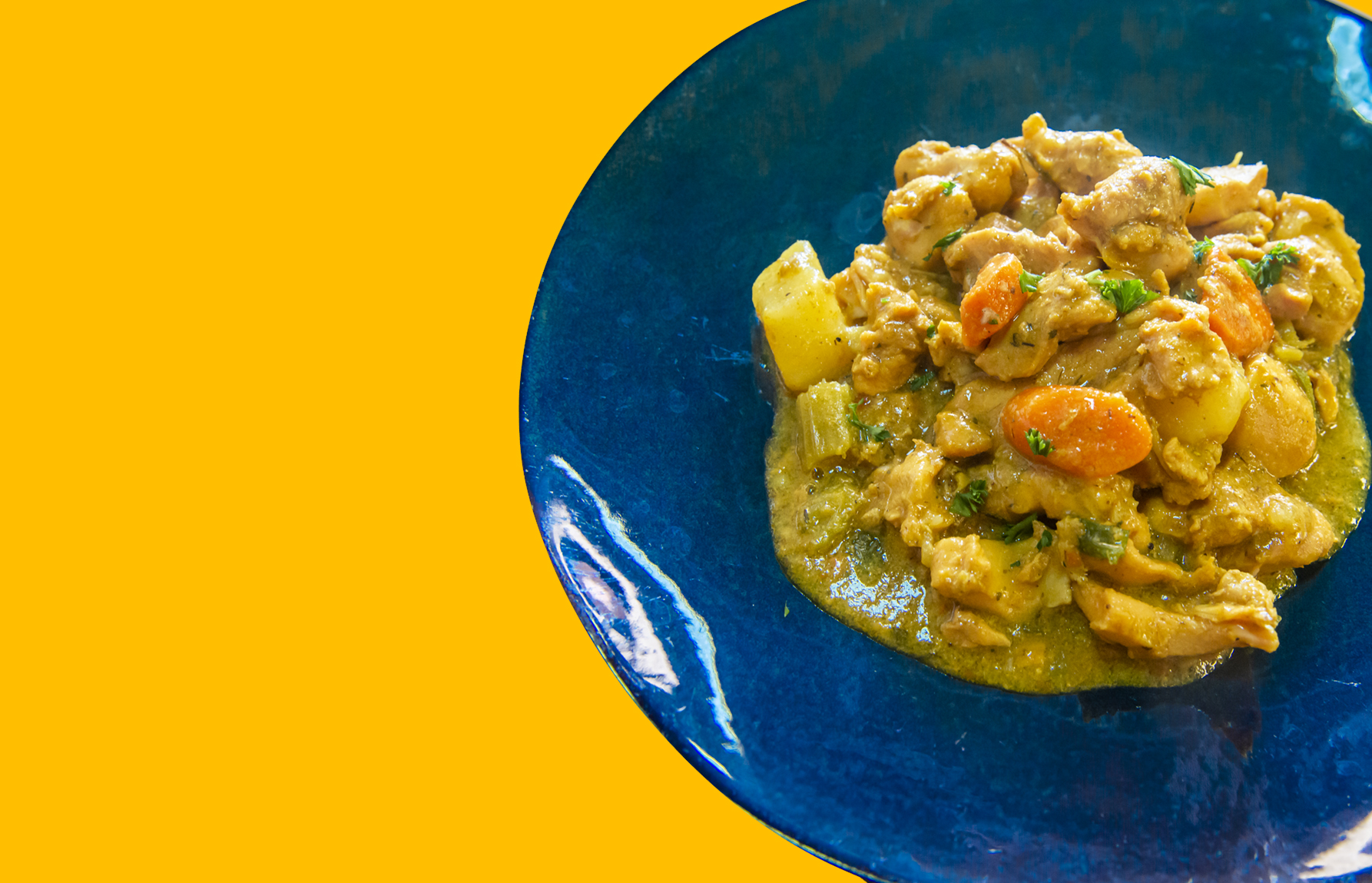
A good Jamaican restaurant announces itself before the first bite. You smell allspice, thyme, Scotch bonnet, scallion, ginger, sometimes smoke, sometimes slow braise. The menu should show balance. Jerk chicken may bring the headlines, but a serious kitchen often reveals itself in the dishes that take longer and earn less attention, oxtail that collapses into the gravy, curry goat with enough body to coat rice properly, stewed chicken that tastes richer than it looks, or patties that hold their structure without going dry.
Texture matters more than many diners realize. Plantains should be sweet and caramelized, not simply browned. Cabbage should still have some life to it. Mac and cheese, when offered, should feel like comfort food rather than a filler scoop. Rice and peas should be fragrant and distinct, not mushy and anonymous. Even the hot sauce matters. The best versions sharpen and deepen the meal instead of flattening everything into heat.
That is why the strongest Jamaican food in Denver usually comes from places that understand the whole plate, not just the marquee protein. You can forgive a cramped dining room, a modest storefront, or a longer wait if the kitchen respects the details. In fact, in this category, a little roughness around the edges is often a better sign than a polished concept with bland food.
For a first introduction, start with a restaurant that keeps the menu broad and approachable
When someone is new to Jamaican food, I usually suggest a place with several entry points rather than a specialist menu that assumes the customer already knows what they want. In the Denver area, restaurants such as Reggae Pot have often drawn that kind of crowd because the menu is familiar enough to welcome newcomers but rooted enough to satisfy regulars.
A place like that works well for a casual dinner with friends, especially if the group has mixed appetites. One person can order jerk chicken, another can go with oxtail, someone else can try curry goat, and the table can compare sides without turning the meal into a high-stakes culinary test. That matters. A lot of people are curious about Jamaican food but hesitate if they think the meal will be too spicy or too unfamiliar. A restaurant that handles both bold and accessible dishes well makes the cuisine easier to appreciate on its own terms.
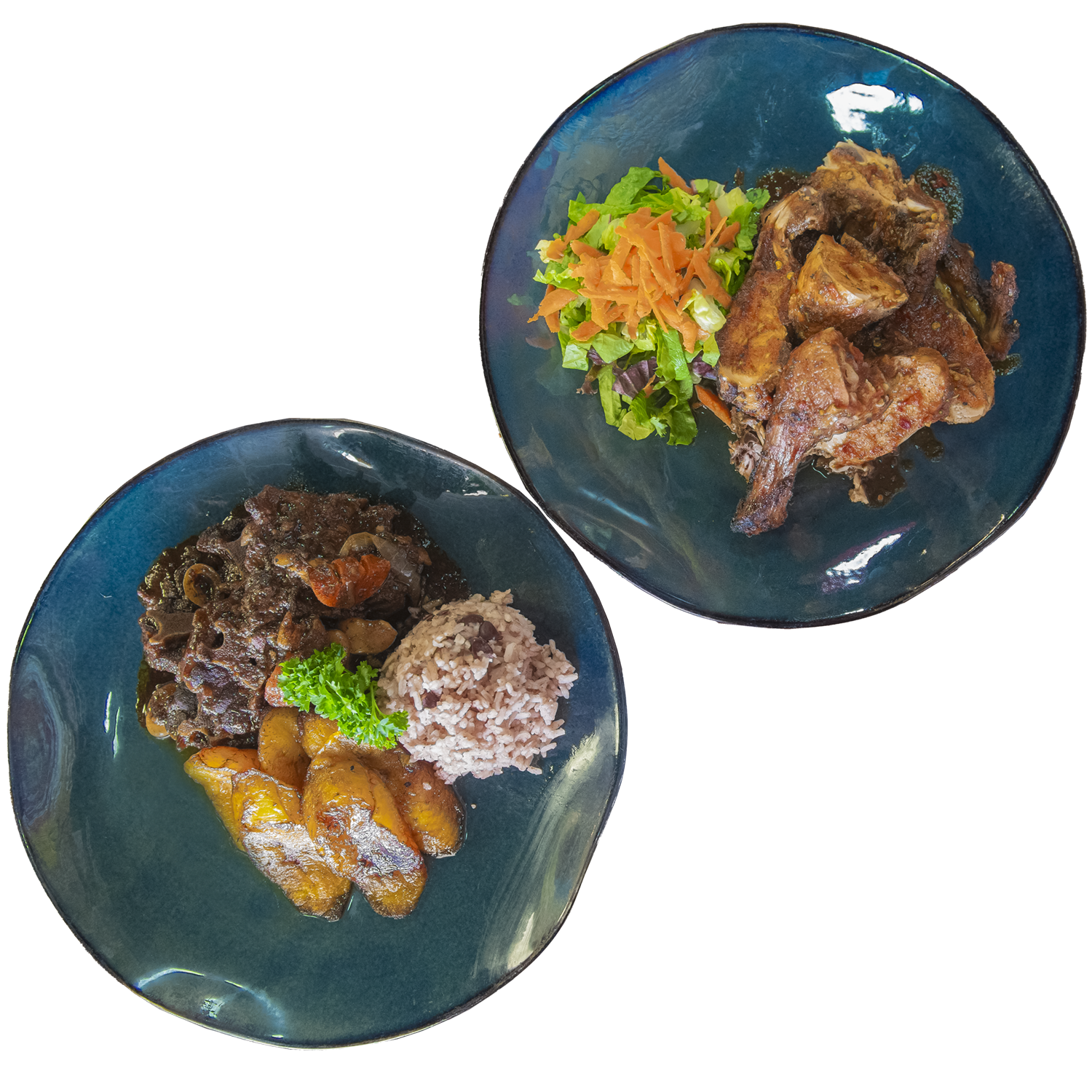
The most reliable first order is usually jerk chicken with rice and peas, cabbage, and plantains. It gives you the broadest picture of a kitchen. If the chicken is well marinated, the skin has some char, and the spice profile is layered instead of one-note, you are in good hands. If the sides feel lively rather than obligatory, even better. Add a patty if you are especially hungry. A good beef patty, flaky and well-seasoned, tells you something about the kitchen’s standards.
For a meal that feels closest to home cooking, look for the places people order from repeatedly
There is a difference https://louispfeh402.tearosediner.net/jamaican-food-in-denver-best-dining-spots-for-caribbean-cravings between a restaurant people try and a restaurant people rely on. The first draws curiosity. The second becomes part of a routine. In Denver, that distinction matters because the Jamaican spots that endure often do so on the strength of repeat takeout orders, neighborhood loyalty, and family-style meals that travel well.
Jamaica Grill is one of the names that often comes up in that conversation. What diners tend to value in a place like this is not just one signature dish, but consistency across the menu. That is what makes it a strong pick for nights when nobody wants to cook and everybody wants something comforting. Oxtail, curry chicken, jerk pork when available, patties, and dependable sides all have a role here. The point is not novelty. It is the feeling that dinner is taken care of.
This is where Jamaican food shines in a practical sense. Many dishes improve with a little time, or at least hold up beautifully during the trip home. Gravy settles into the rice. Spice blooms. Braised meats stay tender. You do not lose much by ordering out, which is not true of every cuisine. In my experience, that makes Jamaican restaurants some of the best family takeout options in the city, especially during cold Denver evenings when people want depth and warmth rather than something crisp and delicate.
If you are ordering for a group, ask yourself what will still taste good twenty minutes later. Oxtail, curry dishes, stewed chicken, and patties almost always travel better than anything that depends on immediate crunch. That is not a rule, but it is a useful instinct.
When you want the boldest flavors, prioritize the kitchens that understand jerk as more than spice
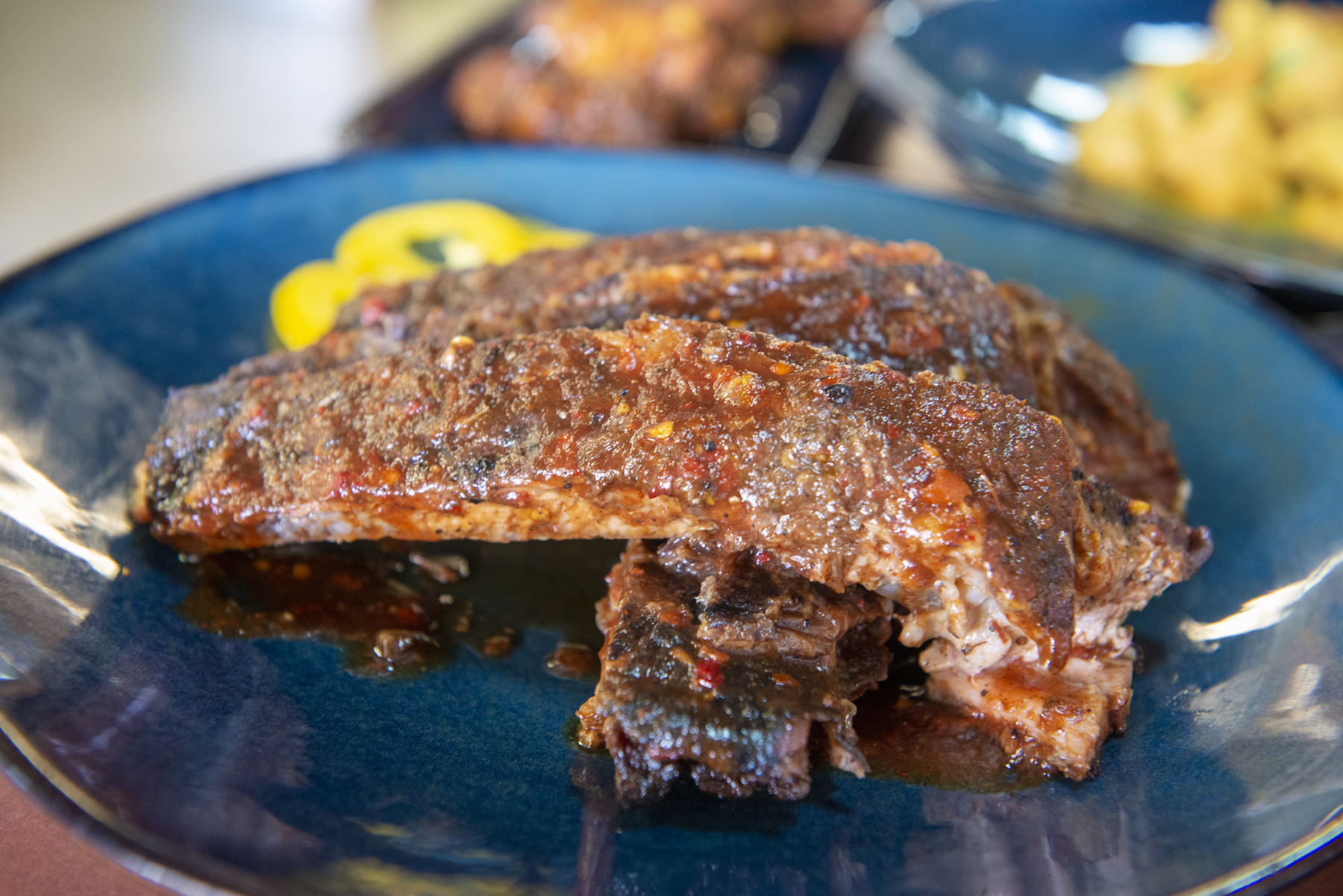
Jerk gets mishandled all over the country. Too often it becomes a generic label for “spicy grilled chicken,” which misses the point entirely. Proper jerk has heat, yes, but it also carries smoke, sweetness, herbal lift, and the warm backbone of allspice. It should be assertive without becoming muddy.
Some Denver diners looking specifically for that profile have gravitated toward places like Genna Rae’s Wings & More, where Caribbean influence intersects with a more casual, crowd-pleasing format. That kind of restaurant can be a smart choice when the group wants a relaxed meal, maybe while watching a game or grabbing dinner that does not feel formal. It is not always the place for the broadest Jamaican menu, but it can hit the spot if what you really want is a strong jerk profile in an easygoing setting.
That is worth emphasizing because “best” depends heavily on mood. If you are craving a full traditional plate with multiple sides and a slow-braised entrée, a wings-focused or hybrid menu may not satisfy the same itch. On the other hand, if you want flavor, heat, and something easy to share, it can be exactly right. Good food writing should make room for that distinction. Too many recommendations ignore context and leave people disappointed for reasons that have nothing to do with quality.
The trade-off, in plain terms, is depth versus convenience. Full-service Caribbean restaurants usually offer more range and more of the classic comfort dishes. Casual crossover spots can be easier for groups, quicker for pickup, and more approachable for diners who are not yet ready to commit to oxtail or goat. Both have their place in the Jamaican food Denver conversation.
For date night or a slower meal, atmosphere matters almost as much as the plate
Jamaican food can absolutely work for date night, but not every restaurant suits that role. Some are built for fast counter service, some for heavy takeout volume, and some for a relaxed sit-down meal where you have time to talk over drinks and let the food arrive at its own pace.
When choosing a restaurant for that kind of evening, I look for two things. First, the dining room should feel calm enough that the meal is not rushed. Second, the menu should reward sharing. A couple can split patties or another starter, compare a braised dish with a grilled one, and get a fuller picture of the kitchen. In practice, restaurants like Reggae Pot have often fit this lane because the meal can stretch naturally. You can settle in, order a little widely, and let the flavors unfold rather than treating the food as pure fuel.
This is one of those occasions when ordering oxtail is often worth the price. It is rarely the cheapest thing on the menu, and for good reason. It takes time, attention, and a willingness to let the dish become rich without tipping into heaviness. On a casual weeknight, that cost may feel unnecessary. On a date or celebratory dinner, it often feels exactly right.
There is another practical point here. Jamaican food tends to be generous, and many entrées are substantial. If the plan includes dessert elsewhere or a walk after dinner, sharing one richer entrée and one lighter grilled dish can be smarter than ordering two of the heaviest plates on the menu. That is not restraint for its own sake. It is just good pacing.
For lunch, speed and consistency beat ambition
Lunch has different demands. You may have forty-five minutes. You may be eating between meetings. You may want a full meal but not a food coma. The restaurants that succeed at lunch are the ones that can plate quickly without making the customer feel like they are getting the leftovers of dinner service.
This is where a dependable steam-table style setup or a streamlined kitchen can actually work in the diner’s favor. Stewed chicken, curry chicken, rice and peas, cabbage, and plantains can be served promptly and still taste complete. Jerk can work too, assuming the kitchen keeps the chicken moist and properly seasoned.
For lunch, I usually advise against judging a Jamaican restaurant solely by how flashy the menu looks online. Some of the best midday meals come from the least glamorous listings, the kind that simply show a few strong entrées and a handful of sides. If the food turns over steadily and the kitchen knows its rhythm, lunch can be excellent.
Denver diners who care about value should also keep portion size in mind. Jamaican plates are often generous enough to stretch into two meals, especially with richer entrées. That changes the calculus. A lunch that looks slightly expensive at first glance may be entirely reasonable if half of it becomes dinner.
For feeding a group, choose the place that travels best, not the trendiest one
Group ordering exposes weaknesses quickly. Fries go limp, salads wilt, sandwiches fall apart. Jamaican food is more forgiving, which is one reason it works so well for office lunches, family gatherings, and low-stress celebrations.
If I were organizing a meal for six to ten people, I would lean toward a restaurant with proven takeout rhythm and a menu built around large, hearty plates. The stars here are usually curry chicken, stewed chicken, oxtail if the budget allows, patties for easy add-ons, and sides that hold heat without losing texture. Rice and peas remains one of the most useful group-ordering staples in the city because it pairs with almost everything and stays satisfying even after a drive across town.
There is also a social advantage to Jamaican food that people underestimate. These meals invite comparison. Someone passes over a plantain, someone else insists you taste the gravy from the oxtail, somebody who thought they only wanted chicken ends up trying a forkful of curry goat. A good group meal should create that sort of exchange naturally.
If you are ordering for a crowd unfamiliar with the cuisine, make the meal broad rather than brave. Include one or two gateway dishes, usually jerk chicken and curry chicken, then add something deeper like oxtail for the more adventurous eaters. That approach respects both curiosity and comfort.
What to order when you want to judge a kitchen fairly
A single dish can tell you a lot, but Jamaican food is best understood through combinations. The entrée matters, yet the supporting pieces reveal the kitchen’s habits. If I were trying a restaurant for the first time and wanted the clearest read, I would focus on a balanced plate that shows seasoning, technique, and restraint all at once.
Jerk chicken is the obvious benchmark. It tests marinade, grill work, and spice balance. Curry goat or curry chicken tests the cook’s hand with sauce, tenderness, and depth. Oxtail tests patience. Patties test consistency and care with basics. Rice and peas, cabbage, and plantains reveal whether sides are treated as part of the meal or just filler.
The biggest mistake diners make is ordering only the loudest item on the menu and then assuming they understand the place. Some kitchens are strongest in braises, not grills. Others do a fine jerk but truly excel at oxtail. There is no shame in returning twice before declaring a favorite.
The role of spice, and why “not too hot” can mean very different things
One recurring issue with Jamaican food in Denver is expectation management around heat. Diners often conflate jerk with extreme spiciness, and restaurants respond in different ways. Some pull back on Scotch bonnet to meet broad demand. Others keep the seasoning robust but serve additional heat on the side. Neither approach is inherently wrong, but the difference can surprise people.
If you love spicy food, ask a direct question instead of relying on the menu description. Ask whether the jerk is naturally hot, whether the sauce carries most of the heat, or whether there is a house pepper sauce available. Those answers tell you more than a row of chili icons ever will. If you are heat-sensitive, the same advice applies in reverse. A good restaurant should be able to steer you toward milder choices without stripping the food of character.
This is one reason curry chicken is often the smartest entry point for cautious diners. It is flavorful, aromatic, and usually less aggressively spicy than people fear. Jerk comes next, especially if the restaurant can control the heat level. Save the extra pepper sauce until you have tasted the plate as the kitchen intended it.
Denver’s Jamaican food scene is small, but that can be an advantage
A smaller dining scene asks more of the diner. You need patience. You need to check current hours. You need to accept that the best place for your craving might be twenty minutes away rather than around the corner. Yet there is a payoff. Restaurants in smaller scenes often cook with more identity because they are not chasing a dozen competitors on the same block. They know the regulars. They know what sells. They also know which dishes they refuse to water down.
That is part of the appeal of seeking out Jamaican food in Denver. It feels discovered rather than over-marketed. You are less likely to stumble into a polished imitation built mainly for social media, and more likely to find an independent operation with a loyal following, a compact menu, and a kitchen that takes pride in feeding people well.
Of course, the small scene also means you should stay flexible. A dish may sell out. A wait may run longer than you expected. The dining room may be simple. The website may not tell the whole story. If the food is right, most of that becomes background noise.
How to match the restaurant to the occasion
If you are planning a casual meal with friends, choose a broad-menu spot like Reggae Pot where everybody can find a lane. If you need reliable comfort food and solid takeout, Jamaica Grill is the kind of name worth checking first. If the evening calls for something easy, familiar, and flavor-forward in a relaxed format, a place in the mold of Genna Rae’s can make perfect sense.
Those are not rigid categories, and any restaurant can surprise you. A lunch spot can become a favorite for dinner. A takeout standby can be just right for a low-key date. The point is to stop asking which restaurant is universally best and start asking which one suits the meal you want to have.
For anyone exploring jamaican food denver options for the first time, that shift in mindset helps immediately. You are not just hunting for a top-rated plate. You are looking for the right combination of flavor, portion, atmosphere, and reliability. Once you approach it that way, the city opens up.
Denver may never have the sheer density of Jamaican restaurants you would find in New York, South Florida, or Toronto. It does not need to. What it has, at its best, is something more intimate: a set of kitchens that cook with purpose, feed people generously, and reward the diner who pays attention. When you find one that fits your occasion, you will probably go back, not because it is trendy, but because it delivers the kind of meal people remember.
Reggae Pot Jamaican Grill
Address: 2243 S Monaco St Pkwy #104, Denver, CO 80222
Phone number: +17204102956
FAQ About Jamaican Food Denver
What is typical Jamaican food?
Typical Jamaican food features bold, vibrant flavors created by blending African, Taino, European, and Asian influences.
What is a famous Jamaican dish?
Ackee and saltfish is Jamaica's national dish, made by sautéing the soft local ackee fruit with salted cod, onions, tomatoes, and spicy Scotch bonnet peppers.
What food is most popular in Jamaica?
The most popular and famous food in Jamaica is Jerk Chicken, celebrated worldwide for its smoky, spicy flavor.