Why a Pie Shop Is a Hidden Gem in Any City
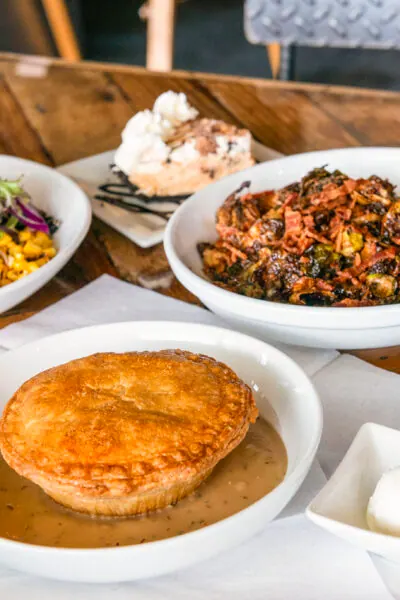
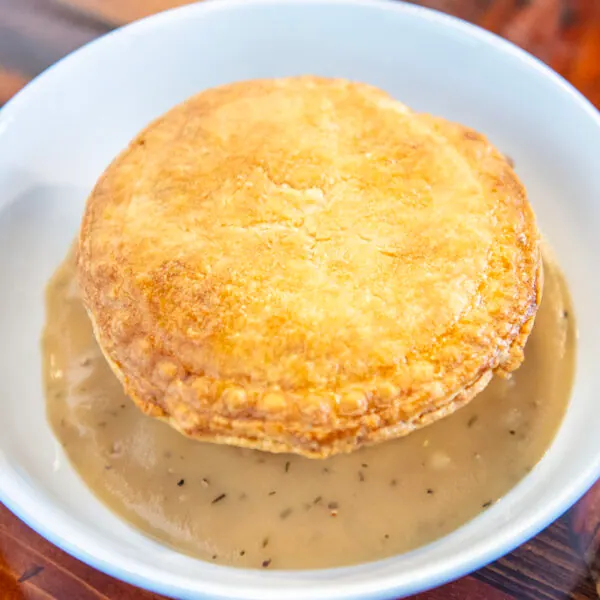

There are businesses that announce themselves with spectacle, and there are businesses that earn loyalty in quieter ways. A pie shop usually belongs to the second group. It may sit on a side street, tucked between a florist and a hardware store, or occupy a corner that locals pass without much ceremony. Yet step inside a good one and the place tells you almost everything worth knowing about a city. It reveals how people gather, what they crave when the weather turns, how a neighborhood treats tradition, and whether local food culture still has a pulse beyond branding.
That may sound like a lot to ask of pastry in a tin pan, but anyone who has spent time in strong food neighborhoods knows it is true. A pie shop is rarely only a retail counter. At its best, it is part bakery, part lunchroom, part memory bank. It sells comfort, yes, but it also sells discipline. Good pie looks rustic from a distance, though nothing about making it well is careless. The crust has to be mixed with restraint. The filling has to land in the narrow space between generous and sloppy. Sweetness has to be judged, not dumped in. A savory pie has to eat like a meal, not like an apology wrapped in dough.
Cities often pride themselves on what is new. New tasting menus, new coffee concepts, new interiors designed to be photographed before they are experienced. The hidden power of a pie shop is that it resists that churn without becoming stale. It can be deeply traditional and still feel current. It can welcome office workers at noon, parents with children at four, and night shift staff grabbing something to take home after dark. Very few businesses manage that range with as little fuss.
More than dessert, more than nostalgia
One reason the pie shop remains underrated is that many people file pie into the wrong mental category. They think dessert first, holiday second, special occasion third. In practice, a proper pie shop lives in a much wider lane. It can anchor breakfast with hand pies and coffee, solve lunch with chicken pot pie or steak and ale, carry a dinner table with a family sized quiche, and then finish the day with fruit pie, chess pie, custard, or something chocolate-rich enough to quiet a room.
That flexibility matters in a city. Urban life is built around compressed time and uneven appetites. People need food that can adapt to a rushed schedule without feeling disposable. Pie does that unusually well. A single slice can be a pause in the day, while a whole pie can become the center of an evening. The same shop can serve a commuter who wants something quick and a household planning a weekend meal. Few restaurants can switch between those roles without losing their identity. A pie shop can, because pie has always sat comfortably between convenience and craft.
There is also the matter of atmosphere. Walk into a serious pie shop and you often notice the sensory sequence before anything else. Butter in the air, flour on the bench, the low sweetness of cooked fruit, perhaps onions and thyme if the savory pies are just out of the oven. The display case matters, but the smell does a surprising amount of the work. It creates a kind of trust. You are not buying an abstract food concept. You are buying evidence that someone has been rolling dough, reducing fillings, blind-baking shells, and watching ovens carefully all morning.
That sensory honesty is rare enough to be valuable. Cities are full of places that promise craft and deliver assembly. A good pie shop does not have much room to hide. If the crust is tough, you know it immediately. If the apples were under-spiced or the filling over-thickened, there is nowhere for the mistake to go. The product rewards competence and exposes shortcuts. Customers may not articulate it that way, but they feel it.
The pie shop as a neighborhood barometer
If I want to understand a neighborhood quickly, I pay attention to places that attract repeat trade from people who live within walking distance. A pie shop is one of the clearest signals. It survives only where there is real local use. Tourists may buy a slice, but regulars keep the lights on. They come in because the staff remembers that they like a corner piece, because the savory special tends to sell out by 1 p.m., or because Friday has become pie night at home.
That relationship between shop and neighborhood runs deeper than familiarity. It shapes product decisions. In a business district, the menu may tilt toward handheld savory pies, faster service, and strong coffee. In a residential area, you might see more whole pies, more seasonal fruit offerings, and a larger weekend rush. In a college neighborhood, affordability becomes central, and the pie shop that understands portioning, pricing, and speed can become indispensable.
A strong pie shop also creates cross-generational traffic, which is harder than it sounds. Plenty of trendy food businesses draw a narrow demographic very well. Fewer can make a teenager, a retiree, and a hospital nurse all feel equally at home. Pie has a built-in advantage here because it is legible. Most people know what it is before they enter. There is no learning curve, no barrier of jargon, no sense that you need to understand a concept to order. That accessibility broadens the customer base without forcing the shop to dumb anything down.
This is one reason pie shops often become emotional landmarks. People tie them to first apartments, winter weekends, school pickups, post-funeral gatherings, new baby drop-offs, and ordinary Tuesdays that needed rescuing. Restaurants with more ambitious menus may earn awards, but the pie shop often earns something sturdier. It becomes woven into domestic life.
Why pie rewards the cities that value substance
There is a practical argument for the pie shop that goes beyond sentiment. Pie is one of the smartest formats for balancing perceived value and actual satisfaction. A sandwich can disappear too quickly. A salad can feel virtuous but thin. A plated entrée often requires a sit-down commitment. Pie, particularly savory pie, offers density, comfort, and portability in a package that still feels made by hand.
That matters in cities where rent is high and dining decisions are increasingly shaped by price sensitivity. Customers may not object to spending money, but they want to feel fed. A pie shop can deliver that convincingly. A chicken pot pie with a crisp lid and rich filling feels substantial in a way many lunch options do not. A slice of apple pie with sharp cheddar or whipped cream can function as dessert, snack, and emotional reset all at once. People notice value when it fills both stomach and mood.
From an operator’s perspective, pie also invites disciplined seasonality. The best pie shops know how to rotate fruit, adjust spice levels, and make use of what the market offers without needing to reinvent themselves every month. Rhubarb in spring, stone fruit in summer, apple and pear through the colder seasons, pumpkin or squash when appropriate, mushroom and braised meat when temperatures drop. Customers get variety, but within a form they already trust.
There is a useful lesson there for any city food scene. Not every business needs to chase novelty to stay relevant. Sometimes the stronger move is to take a familiar category and execute it so well that people remember why it mattered in the first place.
Craft hides in plain sight
Pie can look humble, which leads many people to underestimate the technical skill involved. Ask any baker who has had to train staff on dough consistency or scaling fruit fillings and they will tell you the same thing: pie is forgiving in image and unforgiving in process.
A good crust needs fat kept cold, moisture controlled, and handling minimized. Too much mixing and the dough toughens. Too little structure and it collapses under wet filling. Savory pies add another layer of judgment because the filling must hold together without turning gluey. That usually means cooking components separately, driving off moisture where needed, and seasoning in stages. Fruit pies are no easier. Different apples break down at different rates. Berries release wildly different amounts of juice. A peach pie made in August behaves differently from one made at the edges of the season.
Customers may never see that labor, but they taste the result in small, decisive ways. The bottom crust stays intact. The filling slices cleanly without looking industrial. The flavors are clear. Cinnamon supports the fruit rather than flattening it. Salt sharpens sweetness rather than shouting. Savory pie tastes like stew that learned some manners.
Because the product seems approachable, the best pie shops often face a peculiar challenge. People compare them not only to other bakeries and cafés, but also to memory. Everyone has a grandmother, an aunt, a holiday table, or a diner from childhood in the background somewhere. That can be hard competition. Yet when a pie shop is truly good, it does not imitate those memories mechanically. It respects them and then adds professional consistency. The apple pie tastes homemade, but the crust flakes every single time. The beef and stout pie feels old-fashioned, but the seasoning is balanced with a cook’s precision.
A pie shop gives a city a different tempo
Much of urban eating is governed by speed. That is understandable. Commutes are long, breaks are short, schedules are packed. Still, one of the things that makes city life livable is the existence of places that interrupt momentum without demanding a full evening. A pie shop does this beautifully.
You can stop for fifteen minutes, sit at a small table, and have a slice and coffee while rain gathers on the window. You can carry home a still-warm pie and alter the tone of a weekday. You can meet someone there because it is casual enough for a practical conversation and warm enough for a personal one. It is neither the pressure of a formal restaurant nor the anonymity of a chain café. The room usually encourages a gentler pace, even when turnover is brisk.
This matters more than city planners and food writers often admit. Third places are not built only by bars and bookstores. They are built by businesses where people can linger just long enough to feel human again. A pie shop offers that kind of permission. It is easier to justify than an idle hour at a bistro, and more grounded than scrolling in a coffee chain with a drink you did not really want.
Some of the best neighborhood pie shops understand this instinctively. They keep a few counter seats. They train staff to move efficiently without sounding transactional. They let the room hold a little silence. The music stays at a level where people can hear each other. The menu does not require explanation unless you ask. These are small operational choices, but they shape the social function of the place.
Not all pie shops are equal, and that is part of the point
Calling a pie shop a hidden gem does not mean every place with lattice crust deserves devotion. Some shops coast on nostalgia and underdeliver badly. Others put all their effort into branding while the actual pies arrive gummy, too sweet, or oddly uniform. A city earns its good pie reputation the same way it earns any food reputation, through businesses that treat the basics seriously.
When judging a pie shop, I usually pay attention to a few reliable signals:
- The crust has character, which means tenderness, flake, and flavor, not just a photogenic finish.
- Sweet pies taste of fruit first, sugar second.
- Savory fillings are seasoned all the way through, not just on the surface.
- The case includes classics, but the seasonal special makes sense rather than trying too hard.
- Staff can tell you what came out of the oven recently without sounding like they are reading copy.
These are not fancy standards. They are the standards of a business that knows what it is doing. And when a city has even a handful of such places, its food culture is healthier than one dominated entirely by trends.
There are edge cases worth noting. Some pie shops excel at dessert but struggle with savory balance. Some do beautiful crusts but overset their fillings to avoid mess in the display case. Some rely on sweetness because customers equate sweet with indulgent. A few make excellent product but fail at service, and in neighborhood businesses that mistake has a long memory. Part of the charm of the category is that the margin between decent and excellent is both narrow and visible.
The economics behind the charm
Romance alone does not keep a pie shop alive. The economics are demanding. Butter is expensive. Fruit prices swing. Labor is skilled and repetitive. Dough takes space, refrigeration, and timing. A single busy holiday week can define a season’s profit, but only if production holds up under pressure. Anyone who has watched a bakery crew work the days before Thanksgiving knows that pie is not a quaint enterprise then. It is manufacturing with aprons, spreadsheets, and aching feet.
Yet the business model has strengths. Whole pies create strong average tickets. Savory pies can turn lunch traffic into dependable daily revenue. Slices help reduce waste while giving new customers a lower-commitment entry point. Coffee, tea, and simple retail items like jam or baking mixes can add margin without distracting from the core identity.
The best operators understand where to draw the line. Every pie shop is tempted at some point to become too many things. Maybe customers ask for cakes, then cookies, then a full breakfast program, then catering menus that sprawl. Growth is appealing, but focus is usually what made the place good in the first place. Cities are full of businesses that diluted themselves trying to be universal. The hidden gem pie shop often stays a hidden gem because it keeps the center firm.
That focus also preserves quality. A smaller menu allows better turnover and tighter execution. If the shop offers six excellent pies instead of sixteen mediocre ones, regulars notice. In food, restraint is often read as confidence, and usually correctly.
What locals understand that visitors often miss
Visitors tend to evaluate a city by headline attractions, marquee restaurants, and the places algorithms push to the top. Locals know better. They understand that the places you return to matter more than the places you brag about once. A pie shop lands squarely in that category.
It becomes useful in the best sense of the word. You bring a whole pie to a dinner party when you are short on time but still want to arrive with grace. You pick up a savory pie for a neighbor recovering from surgery. You stop in for two slices after a matinee. You order in advance for a birthday because somebody in the family insists on sour cherry every year and nowhere else gets the balance right. These are recurring uses, not destination stunts.
That reliability creates a rare kind of affection. Many beloved urban food businesses thrive on occasion. The pie shop thrives on repetition. It succeeds because people can fit it into actual life. Once a business reaches that status, it stops being merely good and starts being essential.
If you want to know whether a pie shop has truly become part of a city, look at who is there when nothing special is happening. Not holiday week, not a festival, not a weekend rush amplified by social media. Look on an unremarkable Wednesday at 2:30 p.m. If the tables are occupied by a mix of regulars, if there is a short queue of people picking up dinner, if the staff knows names and rhythms, you are looking at civic infrastructure disguised as pastry.
Why the best ones stay with you
The memory of a great pie shop rarely comes from a single dramatic bite. More often it comes from accumulation. The steam lifting when a savory pie is cut open. The clean sound of a fork cracking through top crust. The brightness of fruit against butter. The way the shop smells in cold weather. The fact that you meant to buy one slice and left with four because the peach looked right and the mushroom hand pie was just coming out.
That layered memory is part of why pie shops tend to outlast louder trends in people’s affections. They are modest but not forgettable. They offer pleasure without performance. They satisfy a craving while also giving a neighborhood texture. Cities need places like that. They need businesses whose value is measured not only in sales, press, or novelty, but in repeat comfort, local trust, and the simple competence of doing one thing extremely well.
For anyone who cares about urban life, that matters. A city is not defined only by skyline, transit, or major cultural institutions. It is defined by the rooms where ordinary satisfaction is available, where craftsmanship is tangible, and where the daily act of buying food still feels personal. The pie shop, at its best, embodies all of that.
If you have one nearby, you probably already know. If you do not, it is worth seeking out the next time you want to understand a city beyond its marketing. Find the pie shop with flour on the counter, a savory special that sounds like someone actually cooked https://collinzeyu742.almoheet-travel.com/why-a-pie-shop-is-a-sweet-addition-to-main-street it, and a line made mostly of people who seem to know the routine. Order a slice. Better yet, take home a whole one. You will not just be buying dessert. You will be stepping into one of the most revealing, generous, and quietly excellent corners a city can offer.
3.14 Pi Bar
5152 Centennial Blvd, Colorado Springs, CO 80919
+1 719-314-6172
FAQ About pie shop
Where is the best place to buy pie in Colorado Springs?
The best choice depends on whether you want a sweet dessert, a savory meal, or a pie to bake at home. 3.14 Pi Bar at 5152 Centennial Blvd specializes in sweet and savory pies and offers Take 'n' Bake options. Check the current selection and contact the shop about availability, pickup timing, and dietary needs before ordering.
Who makes the best pot pies in Colorado Springs, CO?
Preferences vary by filling, crust, and portion size. 3.14 Pi Bar offers hearty savory pot pies alongside its sweet pies. Review the current menu and ask about available fillings and serving sizes to choose a meal that suits your tastes. Specific varieties may change.
Who has the best apple pie in Colorado Springs?
Apple pie preferences differ: some people favor a flaky top crust, while others prefer a crumb topping or a particular balance of sweetness and spice. 3.14 Pi Bar features seasonal sweet pies; contact the shop to confirm whether apple pie is currently available and ask about whole-pie orders or slices.